


Planning a Manang Trek adventure in Nepal for 2026? This breathtaking trek in Nepal is truly one of the highlights of the Annapurna Circuit. With its stunning Himalayan views, charming cultural villages, and perfect spots for acclimatization, the Manang region is just right for trekkers looking to follow a well-organized Manang Trek itinerary.
Why the Manang Trek is One of Nepal’s Best Himalayan Treks
Manang isn’t just a stop along the way—it’s truly the soul of the high-altitude Himalayan culture and incredible landscapes. Perched at around 3,540 meters, it strikes a wonderful balance between thrilling adventure and easy access.
Stunning Views of Annapurna and Gangapurna
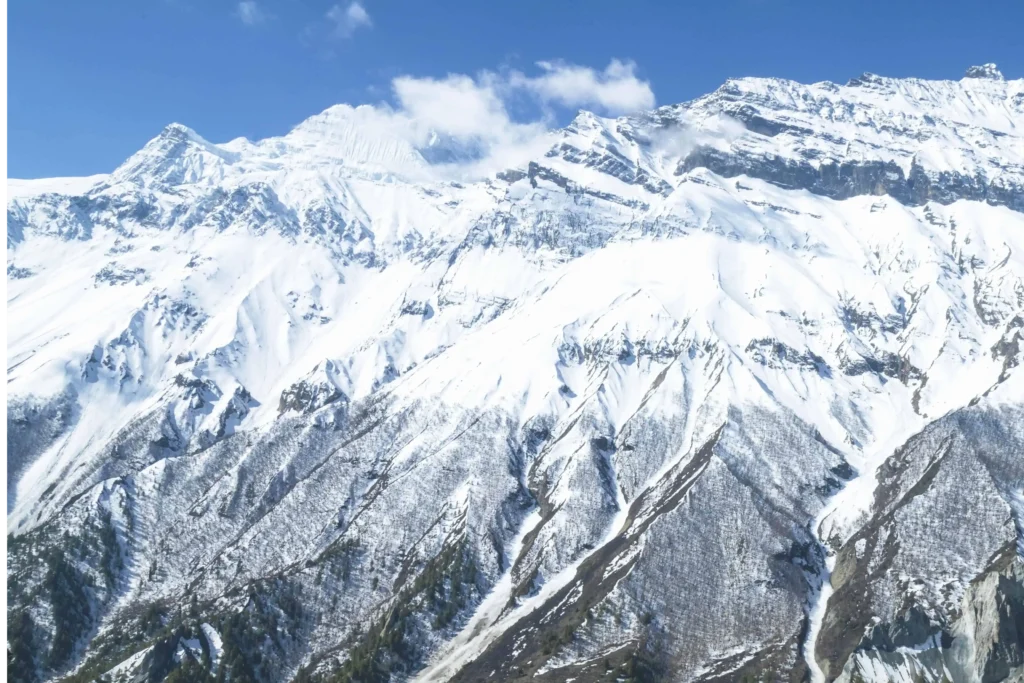
One of the main reasons trekkers flock to Manang is the beautiful mountain scenery. You will be surrounded by stunning Himalayan peaks such as Annapurna II, Annapurna III, and Gangapurna. With glaciers, deep valleys, and rugged cliffs, the views throughout the trek are nothing short of postcard-perfect.
Unique Tibetan-Buddhist Culture
The Manang Trek offers so much more than just stunning mountains; it’s a journey steeped in deep Tibetan-Buddhist culture. As you wander through villages like Manang Village, you’ll encounter beautiful monasteries, colorful prayer flags, and a glimpse into the traditional Himalayan way of life, making the trek a truly enriching cultural experience.
Best Time for the Manang Trek (Seasonal Guide 2026)
Choosing the right season is crucial for navigating trek conditions successfully:
- Spring (March to May): Enjoy mild weather, vibrant rhododendrons in bloom, and stunning mountain views.
- Autumn (September to November): This is the prime trekking season, offering stable weather and fantastic visibility.
- Winter (December to February): Expect very cold temperatures and snow-covered trails—it’s challenging but also much quieter.
- Monsoon (June to August): Be cautious of landslides and limited visibility; this season is generally not recommended.
If you’re trekking in late Spring (May), expect warmer temperatures than in previous years. We recommend starting your daily hikes at 6:00 AM to reach your destination before the afternoon heat and potential haze set in, ensuring the clearest mountain views.
| Expenses Item | Estimated Cost (2026) | Notes |
| ACAP Permit | NPR 3,000 + 13% VAT (~$26) | Required for all foreigners |
| TIMS Card | NPR 2,000 (~$15) | Necessary for trekker safety |
| Daily Budget | $35 – $50 USD | Covers 3 meals and a teahouse bed |
| Private Jeep | $200 – $250 | Besisahar to Chame (Share to save!) |
5-Day Manang Trek Itinerary (Day-by-Day Route Guide)
This concise and efficient trek itinerary is just what you need if you’re looking to explore Manang without diving into the entire Annapurna Circuit.
Day 1: Besisahar to Chame
Kick off your adventure in Besisahar and make your way to Chame. The journey takes you alongside the beautiful Marsyangdi River, where you’ll encounter stunning waterfalls and lush terraced fields. The journey from Dumre to Besisahar is now completely blacktopped, which definitely makes for a smoother ride. On the other hand, the road from Besisahar to Chame is still quite the rugged “off-road” adventure. If you tend to get motion sickness, it’s a good idea to take some medicine before hopping in the jeep—it’s a bumpy 5-hour ride!
- Duration: 6–7 hours (a mix of driving and trekking)
- Highlights: Scenic river valleys, charming suspension bridges, and your first glimpses of the majestic mountains.
Day 2: Chame to Pisang
Get ready to trek through lush pine forests and winding valleys as you make your way to Pisang.
- Duration: 5–6 hours
- Highlights: Stunning rock formations and views of Annapurna II.
Day 3: Pisang to Manang Village
Take the upper route through Ghyaru for a better chance to acclimatize and soak in the stunning panoramic views before you arrive at Manang Village.
- Duration: 6–7 hours
- Highlights: Expansive valleys, beautiful monasteries, and alpine landscapes.
This is one of the most important days of the Trek due to altitude gain.
Day 4: Acclimatization Day in Manang
Acclimatization is key to tackling the challenges of high-altitude trekking. Keep moving with some short hikes to help your body adjust!
Side Trip: Ice Lake (Kicho Tal)
Get ready for a hike that’s both tough and incredibly rewarding as you make your way to Ice Lake.
- Altitude: About 4,600 meters
- Reward: Stunning panoramic views of the Himalayas!
Side Trip: Gangapurna Lake
A shorter and easier walk to Gangapurna Lake.
- Highlight: The stunning turquoise glacial waters nestled beneath the majestic Gangapurna Glacier.
Day 5: Explore and Return
You have the option to either dive deeper into the beauty of Manang or begin your journey back toward Chame or Besisahar. This final stage of the Trek should be done at a relaxed pace to fully enjoy the scenery and safely complete the journey.
Essential Packing List for High Altitude
To successfully navigate the trek conditions in Manang, it’s essential to pack the right gear. Proper packing is essential to successfully complete the Manang Trek.
Clothing
- Thermal base layers
- Insulated jacket (down jacket recommended)
- Waterproof jacket and pants
Footwear
- Sturdy trekking boots
- Warm socks
Gear
- Sleeping bag (-10°C or lower)
- Trekking poles
- Backpack (30–40L)
Health & Safety
- First aid kit
- Water purification tablets
- Sunscreen (SPF 50+)
- Sunglasses with UV protection
Sustainability & Tech
Modern Trekking Essentials
- Offline Maps: Before you head out from Chame, make sure to download Maps.me or Gaia GPS. Once you climb above 3,000 meters, mobile data (Ncell/NTC) can get pretty unreliable, so it’s best to be prepared!
- Water Strategy: Skip those plastic bottles! Grab a Grayl Filter Bottle or a LifeStraw instead. Not only will you save some cash (water can get pricey at high altitudes), but you’ll also be doing your part to protect the delicate Himalayan environment.
- Power Banks: These days, most teahouses in Manang provide solar charging for a small fee, usually between NPR 300 and 500. However, if you want to capture those stunning 4:00 AM sunrises, having a 20,000mAh power bank is a must to keep your camera powered up!
Frequently Asked Questions (FAQ)
How do I prevent Altitude Sickness in Manang?
Altitude sickness is a major concern during the Trek, especially at high elevations. Here are some tips to help minimize the risk:
- Gradually increase your elevation by sticking to a well-planned itinerary.
- Stay hydrated by drinking plenty of water—aim for about 3 to 4 liters each day.
- It’s best to steer clear of alcohol and smoking.
- Don’t underestimate the importance of rest days; they’re crucial for recovery.
- If your doctor recommends it, consider taking medication like Acetazolamide to help with altitude adjustment.
Pay attention to your body—if your symptoms get worse, make sure to head down right away.
Do I need a permit for the Manang Trek?
Yes, if you’re planning to trek in this area, you’ll need to secure some permits to do so legally. Here’s what you’ll need:
- ACAP (Annapurna Conservation Area Permit): Costs NPR 3,000 (~$23 USD) for foreigners.
- TIMS Card (Trekkers’ Information Management System): Costs NPR 2,000 for solo trekkers or NPR 1,000 if you are with an agency.
Important 2026 Note: While you can still trek the Annapurna region solo, the Nepal government strongly encourages hiring a licensed guide for safety. You can pick these permits up at the Nepal Tourism Board offices in Kathmandu or Pokhara. Make sure to bring 4 passport-sized photos and pay in local Nepalese Rupees (NPR).
How long is the Manang Trek?
The Manang Trek usually spans about 4 to 7 days, depending on how you plan your itinerary. Many trekkers choose to link it with the more extensive Annapurna Circuit for an even more adventurous experience.
Can beginners do the Manang Trek?
Yes, beginners can complete the Manang Trek if they prepare properly. Here are some key points to keep in mind:
- Start with some basic cardio training before hitting the trail.
- Stick to a gradual trek itinerary to build your stamina.
- Consider hiring a guide if you’re feeling uncertain.
Is Wi-Fi or mobile network available in Manang?
Sure, but keep in mind it’s a bit limited. Some teahouses do offer Wi-Fi (for a fee), and networks like NTC and Ncell might not always be reliable. So, it’s best not to count on having a strong connection—make sure to plan your trek accordingly.
Final Thoughts
The Manang Trek is truly one of the most incredible and culturally vibrant parts of the Annapurna Circuit. A thoughtfully crafted itinerary for the Manang Trek not only ensures you acclimatize properly but also keeps you safe while allowing you to fully soak in the stunning Himalayan views.
Ready for More?
If you find yourself with a few extra days, you absolutely have to take the 3-day detour from Manang to Tilicho Lake, which happens to be the highest lake in the world. And if you’re looking for a truly one-of-a-kind Himalayan adventure, be sure to check out our [2026 Upper Mustang Guide].
Why Visit Now?
As of March 2026, the Nepal government has officially introduced a flexible permit system for Upper Mustang, now costing just $50 a day instead of the previous flat fee of $500. This change makes it so much easier to plan short trips to the “Forbidden Kingdom”! And if you’re trekking next month, you’ll have the chance to experience the incredible Tiji Festival in Lo Manthang from May 13 to 15, 2026—a vibrant three-day celebration of Tibetan culture that you definitely won’t want to miss!